
Deadly Winter Storm Kills Three in Sweden, Leaves Thousands Without Power Across Nordics
- Iven Forson
- Dec 30, 2025
- 4 min read

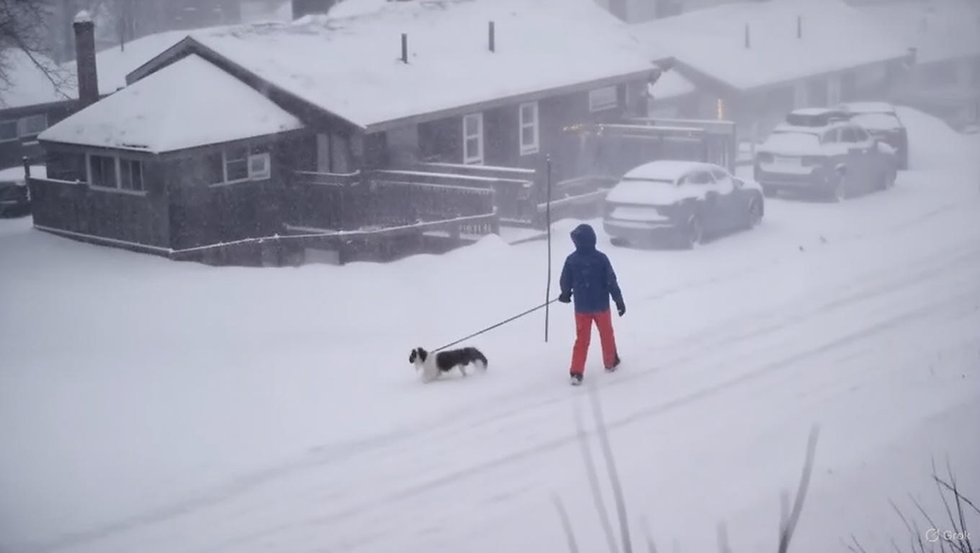
A ferocious winter storm has claimed three lives in Sweden and plunged tens of thousands of homes across Nordic countries into darkness, disrupting travel and forcing authorities to issue urgent weather warnings as nature's fury swept across Scandinavia.
Storm Johannes—called Hannes in Finland—battered Sweden, Norway, and Finland over the weekend, killing three people in separate incidents, grounding flights, canceling rail services, and leaving more than 100,000 homes without electricity across the region. The storm demonstrates how even countries renowned for handling harsh winters can be overwhelmed when weather systems intensify beyond normal seasonal patterns.
Swedish meteorological authorities issued alerts for strong winds across large portions of the country's northern regions as the storm system moved through, bringing conditions that proved deadly for workers and outdoor enthusiasts caught in its path.
The storm claimed its first victim at Kungsberget ski resort in southern Sweden, where a man in his 50s died after being struck by a falling tree. The tragedy occurred at a location where people typically seek winter recreation, turning a day on the slopes into a fatal encounter with extreme weather.
Further north, regional utility company Hemab confirmed that one of its employees died in an accident while working outdoors during the storm. The incident highlights the dangers faced by essential workers who must venture out in hazardous conditions to maintain critical infrastructure like power lines.
The third fatality occurred in Hofors, east-central Sweden, where a man in his 60s was working in a forest when a tree struck him. He was rushed to the hospital but later succumbed to his injuries, according to Swedish police reports.
These deaths serve as grim reminders that trees—weakened by high winds, heavy snow loads, or root systems compromised by alternating freeze-thaw cycles—become deadly projectiles during severe storms.
The storm knocked out electricity to more than 40,000 homes in Sweden alone, forcing families to cope with darkness and cold as temperatures remained well below freezing across much of the country. Swedish news agency TT reported that numerous rail services were canceled as operators prioritized passenger safety over maintaining schedules.
In Norway's Nordland region—one of the country's most northerly counties—fire departments responded to more than 200 weather-related incidents, broadcaster NRK reported. The scale of emergency responses stretched resources thin as crews battled multiple simultaneous crises caused by the storm.
Around 23,000 Norwegian homes in Nordland lost power, with an additional 9,000 plunged into darkness in the Inland region. For residents in these sparsely populated northern areas, power outages during winter storms can quickly become life-threatening situations, particularly for elderly residents or those with medical conditions requiring electricity-powered equipment.
Finland experienced perhaps the most extensive power disruptions, with more than 60,000 homes left without electricity, according to public broadcaster Yle. The storm—known as Hannes in Finland—subsided by Sunday morning, but restoration efforts were expected to take days as utility crews worked to repair damaged infrastructure across vast distances.
The storm wreaked havoc on Nordic transportation networks, grounding flights, canceling ferry services, and disrupting rail operations across multiple countries.
At Kittila airport in northern Finland, dramatic scenes unfolded when heavy winds literally pushed aircraft off course. A Swiss Air jet carrying approximately 150 passengers had just landed from Geneva and was taxiing when powerful gusts forced it off the runway into a bank of snow, the Helsinki Times reported.
A smaller aircraft—a 400XT model—was on the ground simultaneously and suffered the same fate, blown off course by winds that overpowered the planes' braking systems and mass. Remarkably, no injuries were reported from either incident, though passengers undoubtedly experienced terrifying moments as their aircraft veered uncontrollably.
Several flights, rail services, and ferry operations across Nordic nations were canceled as transportation authorities prioritized safety over maintaining schedules. Roads became treacherous or impassable in many areas, stranding travelers and disrupting commerce.
The Nordic countries—Sweden, Norway, Finland, Denmark, and Iceland—are no strangers to harsh winter weather. Their societies have adapted over centuries to function during long, dark, freezing winters with sophisticated infrastructure, building codes, and cultural practices designed to maintain normalcy despite challenging conditions.
However, climate scientists note that warming Arctic temperatures are paradoxically creating conditions for more extreme winter weather events. As the Arctic warms faster than the global average, the jet stream—a band of strong winds that circles the Northern Hemisphere—becomes more unstable, allowing frigid Arctic air to plunge southward while warm air moves northward, creating volatile conditions.
For Ghana and other West African nations, the Nordic storm might seem distant and irrelevant. However, extreme weather events globally are interconnected through atmospheric and oceanic systems. The same climate disruption patterns causing unusual storms in Scandinavia contribute to erratic rainfall, flooding, and droughts affecting agricultural production and food security across Africa.
Nordic countries maintain sophisticated emergency response systems designed for winter crises, including stockpiles of generators, emergency shelters, and well-trained rescue services. However, the scale and intensity of Storm Johannes/Hannes tested these systems, with emergency services stretched thin responding to hundreds of incidents simultaneously.
Utility companies mobilized crews to restore power, but the work proves dangerous and time-consuming. Workers must locate damaged lines—often in remote, forested areas—assess the damage, and make repairs while contending with residual high winds, deep snow, and freezing temperatures.
For the three families who lost loved ones, no amount of infrastructure resilience or emergency preparedness can undo the tragedy. Their losses underscore that even in wealthy, well-prepared societies, nature's power can overwhelm human defenses.
As climate patterns continue shifting, Nordic countries—like nations everywhere—face questions about whether existing infrastructure and emergency systems remain adequate for increasingly extreme weather events. Building codes, power grid resilience, forest management practices near populated areas, and public warning systems may all require reassessment.
The storm's passage leaves behind a trail of disruption that will take days or weeks to fully resolve. Thousands remain without power as utility crews work around the clock. Transportation networks gradually resume normal operations as conditions improve. And three families begin the painful process of mourning loved ones whose lives were claimed by falling trees during a storm that turned ordinary winter weather into a deadly force of nature.
For the rest of us watching from warmer climates, Storm Johannes serves as a reminder that extreme weather respects no borders, spares no nation, and demands respect from everyone—whether in the frozen North or the tropical South.


Comments